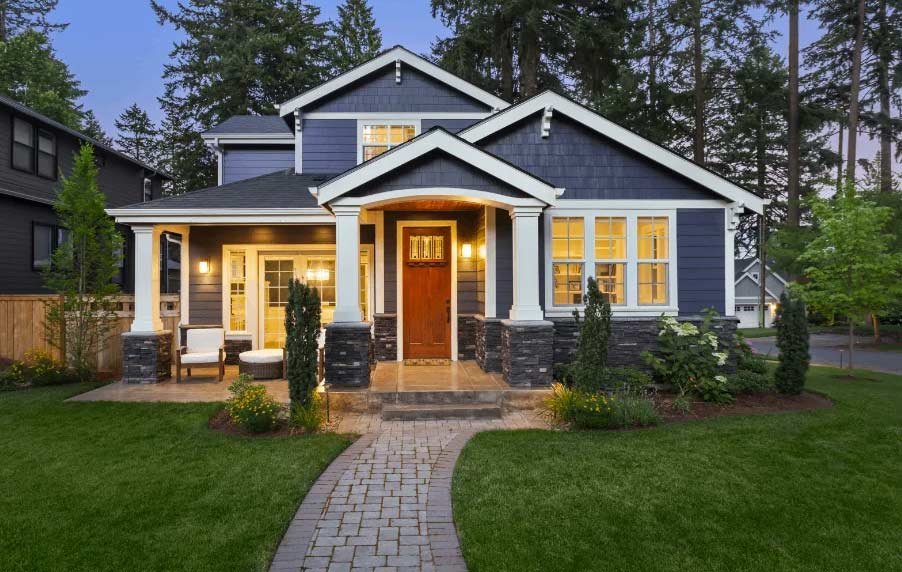
Homebuilding across Virginia feels different today. Buyers want speed, style, and control without stress. Rising prices push families to find smart paths. Clean looks and energy goals also guide choices. Modern modular homes in Virginia meet these needs with factory-built and fast site work. Homes go up quickly and still feel strong. For people who want value and ease, this choice feels like fresh air.
More owners now question old build ways. Long waits and cost jumps cause worry. Rain can slow work. Labor gaps add days. Material prices can change quickly. Modular building removes guesswork. It brings clear plans and steady steps. People now want trust and clear costs when they build a home.
Virginia has beaches, farms, hills, and busy towns. Modular homes fit all these places. Builders make home parts inside a plant. Weather stays out of the way. Crews bring parts to the site and set them on a base. The process saves time and cuts waste.
Buyers feel calm with this path. Factory checks catch errors early. Energy rules often beat site builds. Homes feel tight and warm. Bills stay low from day one.
This style fits all ages. New buyers like fast move-in dates. Older buyers like less stress. Country land owners enjoy less mess. Town buyers like short build times. Modular homes work across the state and across life stages.
The build path feels clear. First comes planning. Buyers pick a plan and choose features. Next comes site prep. Crews pour the base and set lines. The home then arrives in parts. A crane sets each piece. Final work wraps it up.
This flow helps owners plan moves and costs. Fewer delays mean fewer surprises. People know what to expect. Peace of mind matters when money and time are on the line.
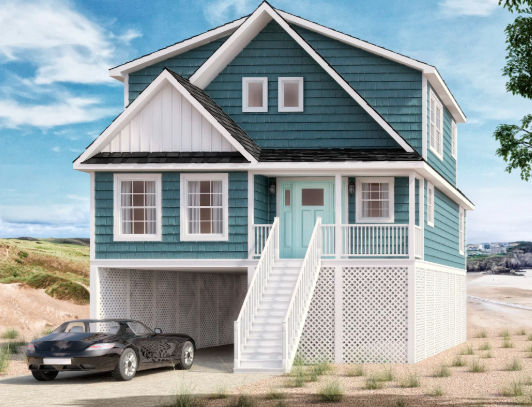
People want homes that feel like them. Old prefab had limits. Today feels different. Modular homes now offer style and choice. Plans range from small ranch homes to tall family homes.
Custom prefab home design in Virginia gives buyers a real say. Rooms flow well. Kitchens open to the living space. Windows bring light inside. Storage fits daily life. The process feels guided but free.
Design teams use tested systems. This keeps the plan simple. Buyers skip stress and still get a personal feel.
Modern homes focus on use and comfort. Clean lines help rooms feel calm. Smart layouts save space. Builders choose strong materials and fresh systems.
Common features include:
Behind the walls, good choices matter too. Heating systems keep rooms comfy. Sound control adds quiet. Power plans fit tech needs. These details help homes feel ready for the future.
Energy use matters more now. People want homes that save power. Modular homes help reach this goal. Tight builds keep air inside. Good insulation keeps heat where it belongs.
Solar-ready roofs add value. LED lights save power. Water-wise fixtures cut waste. These features help the planet and the wallet. Owners feel good about their choice each month.
Money fears stop many from building. Modular homes help calm those fears. Builders lock prices early. Short build times cut labor costs. Factory work limits waste.
Prefab homes in Virginia often cost less per square foot than site-built homes. Value lasts after move-in. Strong builds and low bills help owners long-term.
Less upkeep adds more savings. Tight fits reduce wear. Steady temps cut heat and cool costs. Over time, owners enjoy clear bills and strong resale value.
Luxury today means ease and quality. People want comfort, not flash. High ceilings and calm baths add joy. Fine finishes lift daily life.
Luxury modular homes in Virginia offer an upscale feel with steady plans. Each choice feels thoughtful. Spaces stay easy to care for. The home feels rich but not hard to own.
Stone counters add charm. Wood floors bring warmth. Custom cabinets add value. Light plans mix tasks and glow. Each detail serves a purpose and supports daily life.
Each county has its own rules. Modular homes meet codes when planned right. Site work includes the base, lines, and permits. With help, each step feels smooth.
Modular homes fit private land and planned areas. Buyers gain choice while staying within rules.
Early talks with local offices help. Soil tests and site checks avoid issues. Many teams handle talks with builders and inspectors. This saves time and keeps plans real.
Virginia sees heat, cold, rain, and wind. Modular homes handle it well. Factory builds stay dry during work. Parts fit tight. This boosts strength.
Homes stand firm through storms. Walls resist moisture. Roofs meet load needs. Owners feel safe in all seasons.
Some still mix modular with mobile homes. They differ a lot. Modular homes sit on solid bases. They meet full codes. Banks treat them like any home.
Quality often shocks new buyers. Some expect plain rooms. What they see feels solid and fresh.
Another myth says upgrades feel hard later. Truth feels simple. Owners can add rooms or change space like any home. Garages and updates stay possible with good plans.
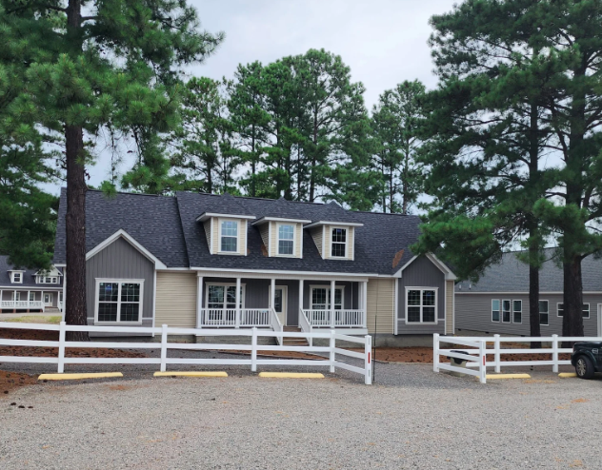
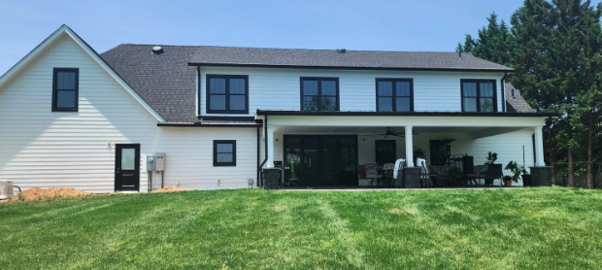
Modular homes blend well with towns and roads. Styles match local looks. Neighbors often cannot tell how the home was built.
Resale stays strong. Buyers value energy savings and build quality. Clear records help sales move fast. Owners feel proud to list their homes when the time comes.
Life moves fast. Home plans should keep up. Modular homes bring speed and calm. Clear steps help owners feel in control.
Modern modular homes in Virginia support busy lives and future goals. They offer smart design, steady costs, and strong value. This build style fits the way people live now.
Building a home should feel fun, not draining. Modular Homes Consultant helps buyers across the state plan with ease. The team guides design, budget, and build steps with care. If a custom prefab home design in Virginia fits your dream, now feels like a good time to look closer and move ahead with trust.
1. Are modular homes built to code in Virginia?
Yes. They meet state and local codes and pass checks.
2. Can modular homes handle Virginia weather?
Yes. Factory builds boost strength and weather safety.
3. How long does the build take?
Most builds finish faster than site homes, often in a few months.
4. Do modular homes allow design changes?
Yes. Buyers choose plans, finishes, and add-ons early.
5. Is financing open for modular homes?
Yes. Lenders treat them like standard homes on solid bases.