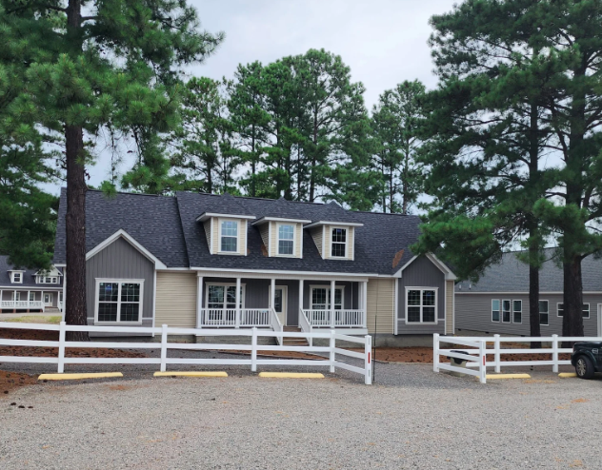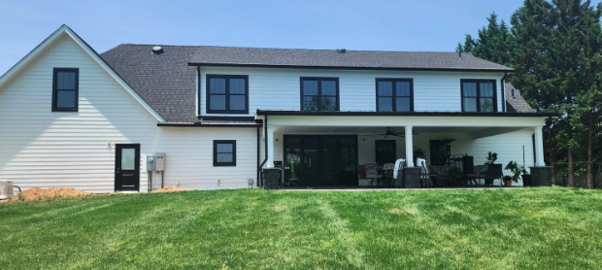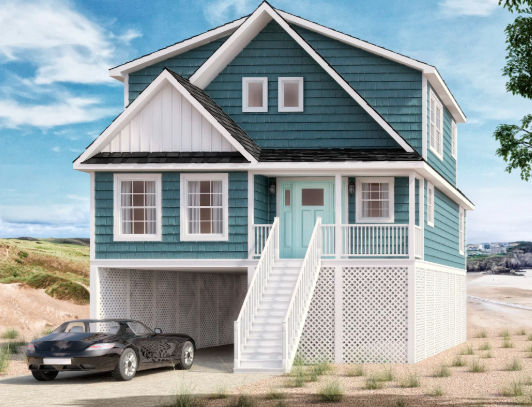
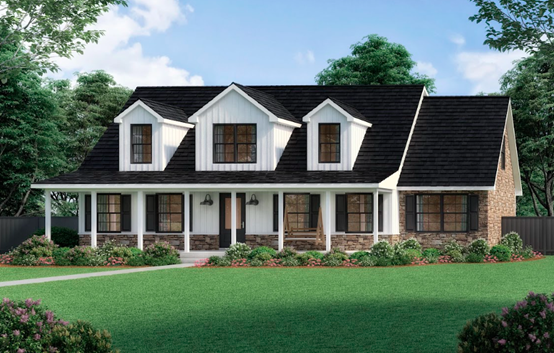
Energy bills keep going up. Families feel the pinch each month. Power use keeps rising. Homes lose heat in winter and cool air in summer. Waste happens fast. Smart buyers now look for better options. They want homes built with care and tight seals. They want strong walls and smart systems. Luxury modular homes in Roanoke, VA, offer a fresh path. They use factory builds and smart plans to cut waste and save power from day one.
Modular homes are not a trend. They are a smarter way to build. Let us break it down in simple words.
Traditional builds happen on open land. Rain, wind, and delays cause damage. Workers cut extra wood. Some of it goes to trash. Costs go up.
Factory builds work in clean spaces. Crews follow clear plans. Each piece fits right. Waste drops fast.
Why factory control saves energy
All parts stay dry. Dry wood stays strong. Strong frames hold heat well. So your home keeps warm air inside.
Air leaks waste money. Small gaps in walls, roofs, and floors let air slip out. Then your heater works hard. Your AC runs all day. Bills climb.
Modular homes use precise cuts. Each wall panel locks in place. Crews seal joints well.
Here is a simple look:
| Feature | Traditional Site Build | Modular Construction |
| Wall Fit | May shift on site | Cut by machine for a tight fit |
| Air Gaps | Common in joints | Sealed in the factory |
| Insulation Install | Varies by crew | Checked before leaving the factory |
| Energy Loss | Higher risk | Lower risk |
Tight homes feel cozy. You use less power. You save more cash.
Insulation works like a warm coat. Good insulation keeps heat inside during winter. It keeps heat out during summer.
Factory teams install insulation before walls close. They inspect each section. No gaps. No loose fill.
Buyers looking at single-family modular homes in Roanoke, VA, often ask about energy ratings. Modular homes often meet or beat local codes. Some even reach high energy standards with ease.
Better insulation means:
Feels good, right?
Windows can leak heat fast. Cheap doors can warp. Gaps form. Energy escapes.
Modular homes often include energy-rated windows. Double-pane glass helps block heat flow. Strong door frames seal tightly.
Good windows help:
This works well in all climates. From hot summers to cold snaps, your home stays steady.
Factory design allows early planning. Builders plan duct paths. They plan the vent flow. They choose compact layouts.
Compact design helps cut wasted space. Less space means less air to heat or cool.
Homeowners who use modular home consulting services in Roanoke, VA often learn how layout affects power use. A smart floor plan can lower long-term costs.
For example:
Natural light reduces the need for lamps during the day. Simple design choices lead to big savings.
Modular builds support green add-ons. Roof angles can match solar panel needs. Wiring plans can include solar lines early.
You can add:
Since planning starts early, upgrades cost less. You avoid tearing down walls later.
Homeowners who work with a modular home consultant in Roanoke, VA often explore these green options before the build begins. Planning ahead keeps stress low and savings high.
Traditional builds can drag on for months. Delays add fuel use. Crews drive back and forth. Machines run longer.
The factory builds cut time. Sections get built at the same time as site work. Then, crews place modules fast.
Less time means:
Short build time also reduces stress for buyers. You move in sooner. You start saving sooner.
Modular homes must travel from the factory to the site. So builders make them strong. Frames get extra support. Strong frames resist shifting. Walls stay square. Seals stay tight.
Over time, this strength helps:
This matters for long-term energy use. Small cracks can lead to big heat loss. A solid frame keeps your home tight for years.
Energy-efficient features may cost more at first. Yet modular builds often save on labor and waste. Those savings can go toward better windows or solar systems.
Buyers of luxury modular homes in Roanoke, VA often choose high-end insulation and smart systems. Yet even standard builds perform well.
Also, owners of single-family modular homes enjoy lower monthly bills. Over time, savings add up.
Here is a quick cost view:
| Area | Traditional Home | Modular Home |
| Build Time | Longer | Shorter |
| Labor Cost | Higher | Lower |
| Material Waste | High | Low |
| Energy Bills | Higher risk | Lower average |
Energy savings help balance your budget. Each month, you keep more money in your pocket.
Energy efficiency is not just about walls. It is about how you live inside the space. Modular floor plans allow smart room placement. Bedrooms can sit away from the harsh sun. Living areas can face natural light. Storage can block heat from garages.
Homeowners who use modular home consulting services in Roanoke, VA, learn how small layout shifts change comfort levels.
And yes, working with a modular home consultant in Roanoke, VA, helps match your lifestyle with energy-smart design. Smart homes feel right. They work with nature, not against it.
If you want lower bills, smart design, and long-term comfort, now is the time to act. Modular Homes Consultant offers expert guidance, custom floor plans, and energy-smart solutions from start to finish. Reach out today and take the first step toward a home built for savings, strength, and lasting comfort.
Yes. Modular homes use factory precision and tight seals. Crews inspect insulation before closing walls. This process lowers air leaks. Strong frames hold shape well. As a result, heating and cooling systems work less. Owners often see lower monthly energy bills over time.
Modular homes must follow state building codes. In Virginia, they meet or exceed local energy rules. Factory checks ensure quality before delivery. This careful process helps maintain insulation levels and tight construction standards across all approved builds.
Yes. Builders can design roofs to support solar systems. Wiring paths can get planned early. This reduces upgrade costs later. Solar panels work well with energy-efficient walls and windows. Together, they help reduce grid power use.
Yes. Modular homes are built strong for transport. Frames receive added support. This strength helps them resist shifting and cracking. Tight joints stay sealed longer. Strong builds protect insulation and reduce long-term energy loss.
In most cases, yes. Tight seals and better insulation reduce energy waste. Smart layouts also help control airflow. Owners often report lower heating and cooling costs compared to similar-sized traditional homes.