A new home should feel exciting, not stressful. Rising costs and long build times push families to search for smarter options. Prefab homes in Virginia offer a fresh path. They save time, control costs, and give room to customize. Instead of months of on-site chaos, sections are built in a factory and then placed on your land. The result feels solid, modern, and built for real life. If you want value without cutting corners, prefab living deserves a close look.
Prefab means parts of the home are built off-site. Skilled crews build walls, floors, and roof sections inside a factory. Then they ship the pieces to your lot and assemble them.
This process helps in three big ways:
Families across the state now explore Affordable prefab homes in Virginia because the process feels simple and smart.
Virginia has cities, small towns, and open land. Prefab homes work well in all these spaces. Whether you plan to build near Richmond, Roanoke, or a rural county, modular construction fits local codes.
Cold winters and hot summers call for strong insulation and energy-smart design. Builders now focus on Prefab home design for sustainable living in Virginia, using materials that help control heat and lower energy bills.
People often ask how prefab homes save money. The answer lies in the building process.
Here is what helps reduce cost:
Factory settings avoid rain delays and surprise costs. Workers follow clear plans. This keeps budgets steady. For buyers searching for Affordable prefab homes in Virginia, cost control stands out as a top benefit.
Prefab does not mean cookie-cutter. Modern modular systems allow you to mix and match floor plans. You can choose:
Interchangeable layouts let families design spaces that fit daily life. Flexible planning supports Prefab home design for sustainable living in Virginia, giving you options for solar panels, energy-saving windows, and eco-friendly materials.
Time matters. Traditional builds can stretch close to a year. Prefab homes often move faster.
Here is a simple comparison:
| Feature | Traditional Build | Prefab Build |
| Build Time | 8 to 12 months | 4 to 6 months |
| Weather Delays | Common | Rare |
| Material Waste | Higher | Lower |
| Cost Surprises | Frequent | Fewer |
Shorter timelines mean you move in sooner. For busy families, this feels like a win.
Factory construction follows strict building codes. Teams inspect each section before shipping. Precision tools cut materials with accuracy.
Once assembled on site, the home sits on a permanent foundation. It meets local and state codes, just like site-built homes. Buyers looking into Prefab homes in Virginia often find that the build quality matches or exceeds that of traditional homes.
Energy costs keep rising. Smart design helps control monthly bills. Builders now focus on:
These features support Prefab home design for sustainable living in Virginia. Lower energy use means lower bills. It also helps protect the environment.
Lenders treat modular homes like standard homes once they sit on a permanent foundation. You can apply for traditional mortgages, FHA loans, or VA loans.
Property value depends on location, size, and design. Well-planned, affordable prefab homes in Virginia can hold value similar to site-built homes.
Some people still picture small trailers. Modern prefab homes look nothing like that.
Let us clear a few myths:
Myth: Prefab homes look plain.
Truth: Designs range from classic to modern.
Myth: They are weak.
Truth: Factory builds often meet high strength standards.
Myth: You cannot customize.
Truth: Floor plans are flexible and adjustable.
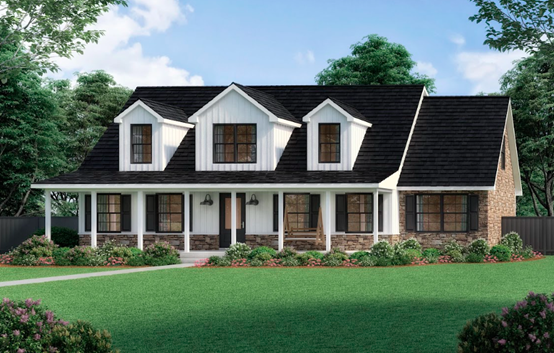
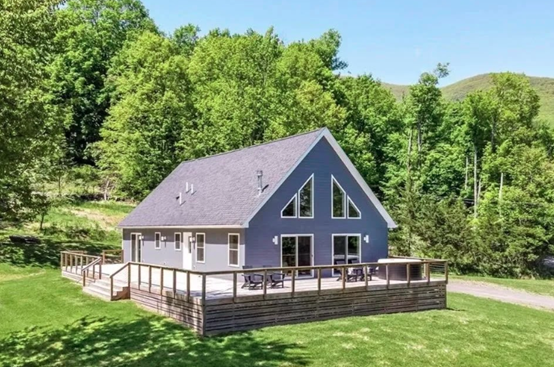
Today, Prefab homes in Virginia come in many styles and sizes.
Here is a simple path most buyers follow:
Clear planning keeps stress low. Each stage has a timeline and cost estimate.
Prefab homes work well for families who want:
If you value efficiency and smart design, prefab living may fit your goals.
Building a home should feel clear and exciting. If you want expert help with smart layouts, flexible floor plans, and cost control, connect with Modular Homes Consultant. Our team guides you from concept to final build using modern modular systems. Start planning your dream home in Virginia today and see how simple prefab living can be.
Yes, they sure are. Prefab homes follow strict building codes, so they are built tough from day one. They sit on permanent foundations and use strong framing systems. Since builders construct them in factories, quality checks stay tight. So once installed, they stand firm and handle storms much like traditional homes.
Yes, and you get plenty of room to play with ideas. Buyers can pick from flexible floor plans and tweak room sizes. You can shift walls, expand kitchens, or upgrade finishes. Modular systems make changes easier and smoother. So you get a home that fits your style without breaking the bank.
Yes, they do. Once placed on a permanent foundation, lenders treat them like site-built homes. So you can apply for a traditional mortgage. Loan terms depend on credit score and property value. In short, financing works much the same way as it does for regular houses.
Yes, and this is a big win. Modern prefab homes use strong insulation and smart building methods. Many include energy-saving windows and efficient heating systems. Because of this, they help cut down utility bills. Over time, those savings really add up.
Prices can vary, so it depends on size, land, and upgrades. Basic models often cost less than traditional builds. Still, final costs include foundation work and site prep. So while the base price looks sweet, total investment depends on your choices and location.